
The U.S. transmission industry is facing a perfect storm.
With North America expected to require nearly $100 billion in transmission investment between 2020 and 2030, utilities and contractors are under increasing pressure to deliver projects faster, safer, and with fewer delays. At the same time, supply chain disruptions, labor shortages, climate impacts, and growing regulatory complexity are fundamentally changing how transmission and distribution (T&D) projects are planned and executed.
One area becoming increasingly critical? Site access.
Reliable site access, temporary roads, and ground protection matting are no longer just construction logistics — they are essential to keeping transmission projects on schedule and within budget. As infrastructure demand stretches resources across the industry, early access planning is becoming one of the biggest differentiators between successful projects and costly delays.
Below are four major site access challenges impacting transmission construction projects today and how proactive planning can turn them into opportunities for cost savings and schedule efficiency.
Challenge 1: Supply Chain Delays Are Impacting Transmission Construction
The transmission sector is not immune to global supply chain disruptions.
Large power transformers can require 24–36 months for delivery. High-voltage breakers may take 18–24 months. Even conductors and cable materials are experiencing extended lead times.
But shortages aren’t limited to electrical equipment.
Utilities and contractors are also experiencing increasing difficulty sourcing traditional timber mats and ground protection products needed for temporary access roads and right-of-way access. As transmission projects ramp up nationwide, demand for matting solutions continues to rise.
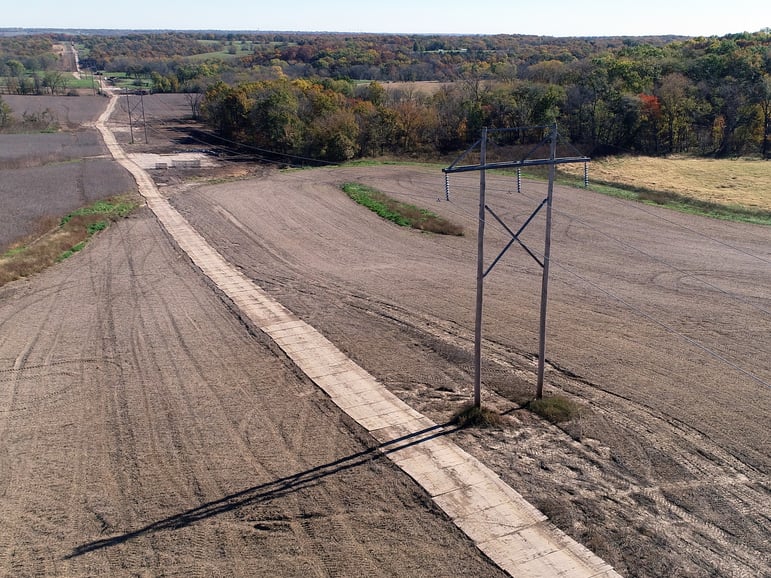
That’s why many contractors are turning to Cross-Laminated Timber (CLT) access mats like TerraLam.
Unlike conventional hardwood mats, TerraLam CLT mats can be manufactured at scale and delivered quickly. With production capabilities exceeding 1,000 mats per day across two manufacturing facilities, Sterling Solutions helps contractors reduce lead-time risk and maintain project momentum.
For transmission projects operating on tight schedules, partnering with a supplier that can control manufacturing and inventory availability is becoming a major competitive advantage.
Challenge 2: Extreme Weather is Creating More Site Access Challenges
Climate-related weather events are becoming more frequent, more severe, and more disruptive to infrastructure construction.
In 2024 alone, weather disasters caused approximately $182.7 billion in damages across the United States. Severe thunderstorms, tornadoes, flooding, and hurricanes continue to impact transmission infrastructure and delay active construction projects. These events not only affect active projects. They can target existing transmission lines that are not being touched.
These events disrupt construction schedules and damage access routes, taking the supply chain crunch and crunching it further. Compound it by heavier precipitation and increased flood risks due to climate change and accessing your right of way gets even more difficult.
For T&D contractors, these events create major site access issues:
- Flooded right-of-ways
- Soft or unstable ground conditions
- Damaged temporary access roads
- Delayed equipment movement
- Increased environmental risk
Together, these trends mean that a “we’ll deal with it later” approach to site access assessment and planning won’t cut it.
Utilities and EPC contractors need site access partners that can respond quickly to changing field conditions and provide flexible matting solutions capable of supporting construction in difficult environments.
Challenge 3: Environmental Regulations Require Smarter Access Plans
.jpg?width=821&height=547&name=disaster-image-1%20(1).jpg) The road to site access is not always easily accessible. Wetlands, endangered species, cultural considerations, and environmental justice concerns all demand attention during planning and execution.
The road to site access is not always easily accessible. Wetlands, endangered species, cultural considerations, and environmental justice concerns all demand attention during planning and execution.
Your site access partner should not only provide mats and bridges to access your project, they should also be the expert when it comes to understanding the environmental regulations and constraints you’re under. Matting products in these areas should take into consideration the environment, which is why TerraLam CLT mats are a perfect product.
TerraLam CLT mats offer several advantages for environmentally sensitive projects:
- No metal components
- Biodegradable and environmentally-conscious materials
- Reduced ground disturbance
- Reliable ground protection for wetlands and soft soils
In many cases, access matting can also help contractors minimize damage to protected areas while maintaining safe equipment access throughout the project lifecycle. Additionally, your site access partner should provide products to protect endangered species and the wetlands you’ll need to route through.
Challenge 4: Workforce Shortages are Slowing Down Transmission Projects
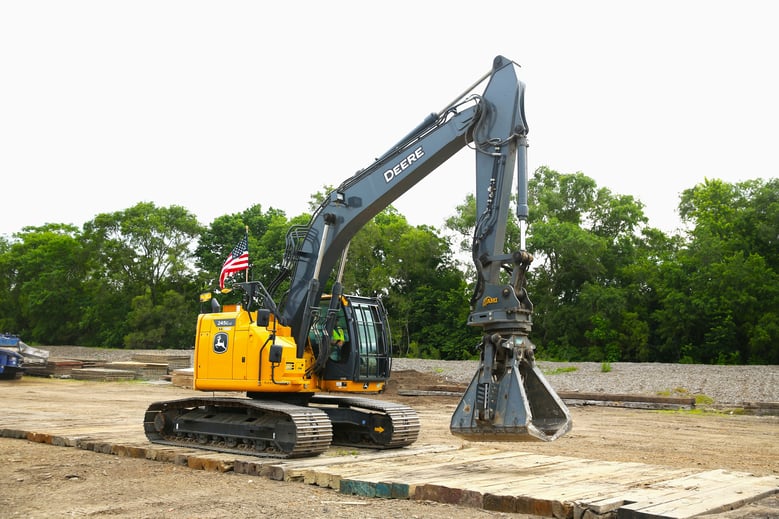
Shortages and constraints don’t just apply to the supply chain. Every industry is dealing with a massive workforce shortage for all levels of labor. Experienced line workers, heavy equipment operators, environmental specialists, and skilled construction labor remain in short supply. At the same time, an aging workforce is creating growing skills gaps across the industry.
These labor challenges directly affect site access operations.
Installing and removing access matting requires time, equipment, and experienced crews — resources many contractors simply cannot spare during critical project phases.
That’s why many utilities and contractors are outsourcing matting installation and removal services to specialized providers.
Sterling Site Access Solutions crews focus exclusively on site access and matting deployment, helping projects move faster while allowing contractor teams to stay focused on core construction activities.
The result is reduced labor strain, faster mat installation, and lower overall project costs.
The Future of Transmission Construction Depends on Better Site Access Planning
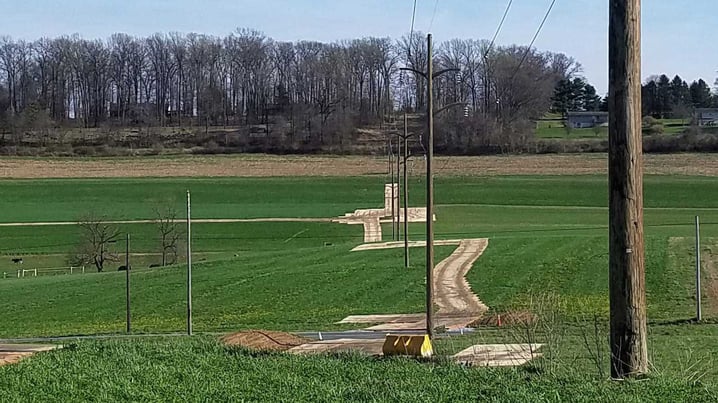 The reality is that transmission and distribution projects are only getting more complex, not less. Supply chain constraints, tighter regulations, weather disruptions, and labor shortages aren’t exceptions anymore, they’re the baseline.
In this environment, treating site access as an afterthought almost guarantees delays and rising costs that are otherwise avoidable with upfront planning.
The utility companies succeeding in today’s market are the ones planning site access early and treating it as a critical part of overall project strategy.
With more than 546,431 miles of TerraLam CLT ground protection matting installed, Sterling Solutions helps utilities, EPCs, and contractors improve project timelines, reduce risk, and maintain reliable access in challenging conditions.
Because the right matting strategy isn’t just about getting equipment onto a jobsite — it’s about helping the entire project move forward faster, safer, and more efficiently.