
Table of Contents
- Why Site Access Costs Add Up Quickly
- The Hidden Costs of Traditional Matting Systems
- How Access Mats Lower Construction Costs
- Reduced Transportation and Freight Expenses
- Faster Installation Means Lower Labor Costs
- Better Ground Protection Reduces Restoration Work
- Fewer Trucks, Less Traffic, and Lower Project Risk
- Why TerraLam CLT Delivers More Value Than Traditional Matting
- Conclusion
- FAQs
How Access Mats Reduce Construction and Site Restoration Costs 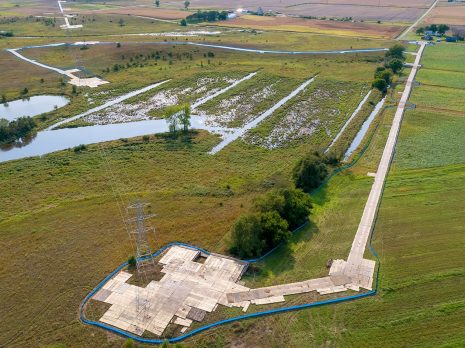
Whether it's a pipeline project, utility installation, renewable energy development, or large-scale civil construction site, contractors face the same challenge: creating reliable access without damaging the ground beneath it.
Poor site access can lead to equipment delays, increased labor costs, project schedule disruptions, and extensive restoration requirements once work is complete. While access mats are often viewed as a temporary necessity, the right matting solution can play a significant role in controlling costs throughout the life of a project.
By improving logistics, protecting sensitive ground conditions, and streamlining installation, access mats help contractors reduce both construction expenses and the long-term costs of site restoration.
Why Site Access Costs Add Up Quickly
When project teams evaluate site access, they often focus on rental costs alone. However, the true cost extends much further.
Access-related expenses typically include:
- Transportation and freight
- Loading and unloading equipment
- Labor for mat installation and removal
- Equipment downtime
- Ground damage remediation
- Erosion control measures
- Right-of-Way restoration
- Environmental compliance requirements
When these factors are considered together, site access decisions can have a substantial impact on overall project profitability.
The Hidden Costs of Traditional Matting Systems 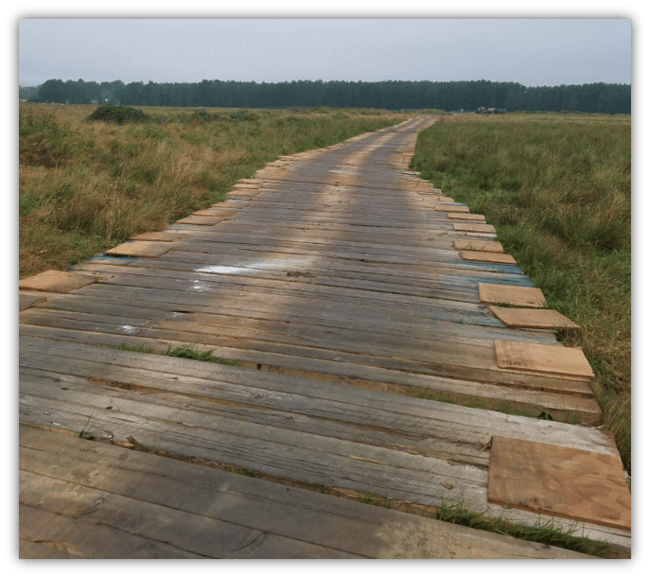
Traditional timber mats, bolted access mats, and smaller composite mats each serve a purpose, but they can introduce inefficiencies that increase project costs.
Common challenges include:
- Higher transportation requirements
- More truckloads to mobilize materials
- Increased handling during installation
- Greater labor requirements
- Additional equipment movements
- Increased ground disturbance
Over long pipeline corridors, transmission projects, renewable developments, and infrastructure builds, these inefficiencies can compound quickly.
How Access Mats Lower Construction Costs
The most effective access mat systems reduce costs across multiple areas of a project.
Reduced Transportation and Freight Expenses
Transportation is often one of the largest expenses associated with access mat deployment.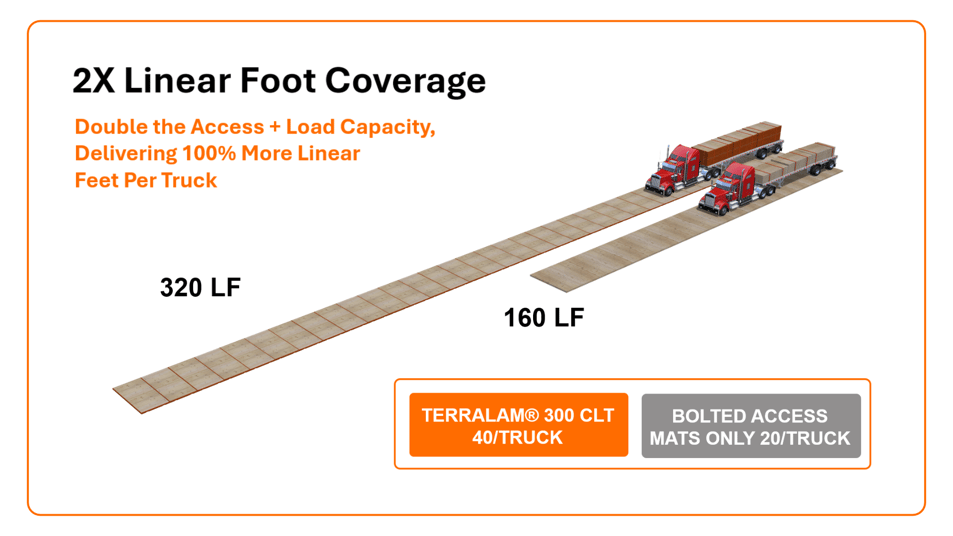
Because TerraLam CLT access mats provide significantly more linear coverage per truckload, contractors can move more access road and work pad coverage with fewer shipments.
In fact, TerraLam CLT can provide up to twice the linear footage per truckload compared to traditional bolted access mats. A truck carrying TerraLam CLT may deliver approximately 320 linear feet of coverage compared to 160 linear feet for traditional bolted access mat systems, effectively doubling transportation efficiency.
For project teams, this means:
- Lower freight costs
- Reduced fuel consumption
- Fewer deliveries
- Less traffic on active job sites
- Faster mobilization
The result is a more cost-effective and efficient project startup.
Faster Installation Means Lower Labor Costs
Every hour spent installing access roads or work pads impacts project schedules and labor budgets.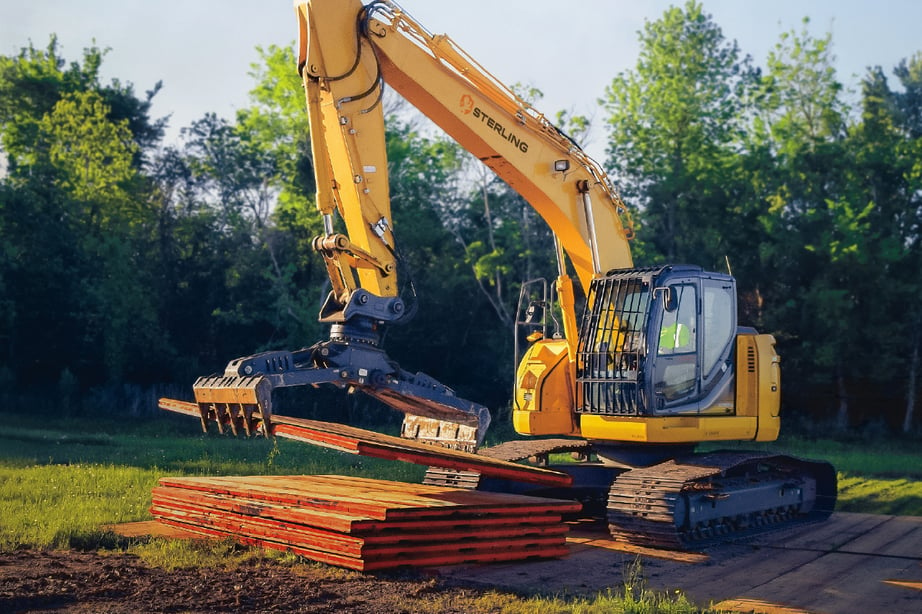
Lighter-weight access mats can help crews deploy access quicker while reducing handling requirements.
Because TerraLam CLT mats are lighter than many traditional timber and bolted solutions, contractors can install more lineal footage with fewer trips along the Right-of-Way. This minimizes equipment movement and allows crews to establish access roads faster.
Benefits include:
- Reduced installation time
- Lower crane and equipment utilization for site access installation
- Fewer handling cycles
- Improved crew productivity
- Faster project start-up
The same advantages apply during demobilization, helping projects finish on schedule.
Better Ground Protection Reduces Restoration Costs
One of the largest hidden expenses on many projects occurs after construction is complete.
Heavy equipment traffic can cause:
- Soil compaction
- Rutting
- Vegetation damage
- Drainage issues
- Erosion concerns
These impacts often require costly restoration efforts before a project can be closed out.
Access mats distribute equipment loads across a larger area, reducing ground pressure and helping preserve soil structure underneath active work zones. Minimizing ground disturbance can significantly reduce the amount of grading, soil remediation, reseeding, and restoration work required at project completion.
For project owners and contractors alike, less disturbance translates directly into lower restoration costs.
Fewer Trucks Mean Less Cost and Less Risk
Transportation efficiency also creates secondary benefits.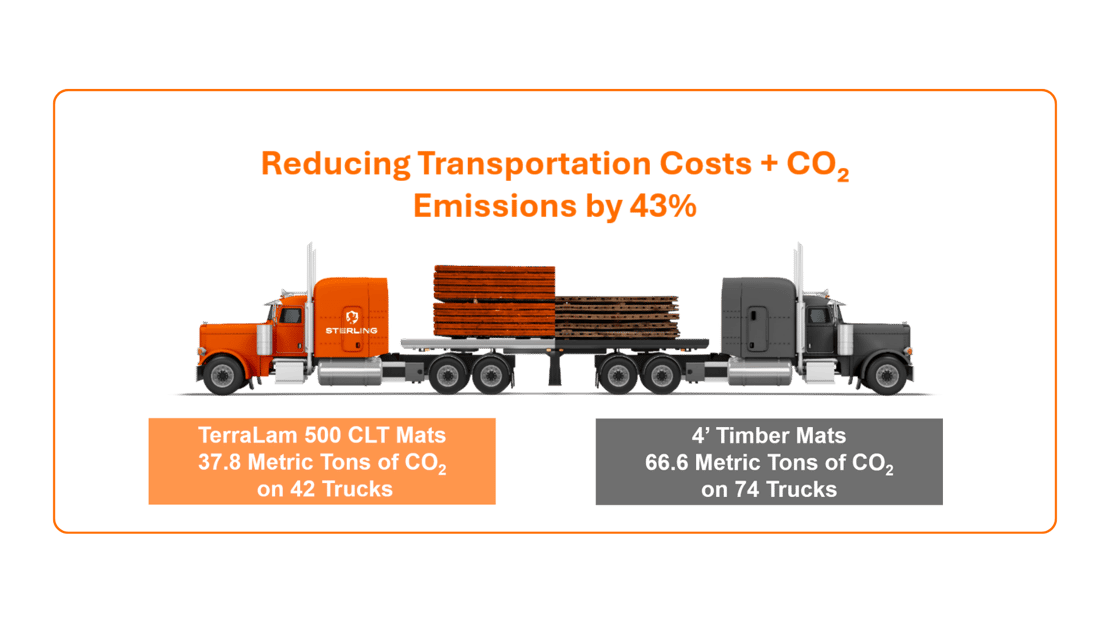
According to TerraLam CLT shipping data, projects may require approximately 43% fewer trucks compared to traditional timber mat transportation scenarios, reducing both transportation costs and overall project emissions. TerraLam CLT shipments generated an estimated 37.8 metric tons of CO₂ across 42 trucks compared to 66.6 metric tons across 74 trucks for traditional alternatives.
Fewer truck movements can help projects:
- Reduce fuel spend
- Minimize road congestion
- Lower logistical complexity
- Improve site safety
- Reduce environmental impact
For projects operating in remote or environmentally sensitive areas, these benefits become even more valuable.
Why TerraLam CLT Delivers More Value Than Traditional Matting
When compared to traditional timber, bolted access mats, or many composite systems, TerraLam CLT delivers value through a combination of logistics efficiency and operational performance.
Compared to Timber Mats
- Lighter weight
- Lower freight costs
- Faster installation
- More lineal footage per shipment
- Reduced handling requirements
Compared to Bolted Access Mats
- Up to 2x the linear coverage per truckload
- Lower transportation costs
- Faster mobilization
- Fewer truckloads required
Compared to Composite Mats
- Greater usable surface area per mat
- More lineal coverage
- Wider footprint for larger equipment
- Fewer mats needed to cover long distances
- Reduced installation and handling costs
Rather than focusing solely on the purchase or rental cost of a mat, contractors can achieve greater savings by evaluating total project impact.
Conclusion
The true cost of site access extends far beyond the mat itself.
Transportation, labor, equipment utilization, project schedules, environmental considerations, and restoration requirements all contribute to total project costs. By choosing an access mat solution that improves efficiency while protecting site conditions, contractors can reduce expenses throughout the entire project lifecycle.
TerraLam CLT access mats help support that objective by delivering greater linear coverage, reducing transportation requirements, accelerating installation, and minimizing site disturbance. The result is a safer, more efficient project with lower construction and restoration costs from start to finish.
Frequently Asked Questions
How do access mats reduce construction costs?
Access mats create stable working surfaces that improve equipment mobility, reduce delays, and allow crews to install temporary access roads faster. They also reduce transportation, labor, and handling expenses.
Can access mats reduce site restoration requirements?
Yes. Access mats help distribute equipment weight across a larger surface area, reducing rutting, soil compaction, and ground disturbance that often require restoration after construction.
Why is transportation a major factor in access mat costs?
Large projects often require hundreds or thousands of feet of temporary access roads. The number of truckloads needed to deliver matting can significantly impact freight costs, schedules, and emissions.
How do TerraLam CLT access mats compare to traditional timber mats?
TerraLam CLT access mats provide more linear coverage per truckload, weighs less than traditional timber alternatives, and enables faster installation while reducing transportation requirements.
What industries benefit most from access mats?
Access mats are commonly used across:
- Pipeline construction
- Utility transmission projects
- Renewable energy developments
- Civil infrastructure projects
- Emergency response operations
- Oil and gas construction
How do access mats help keep projects on schedule?
By creating reliable access routes in difficult terrain, access mats help equipment reach active work zones faster and reduce delays caused by poor site conditions.