
Table of Contents
- Why Site Access Planning Is Critical for Project Success
- The Hidden Costs of Poor Site Access Planning
- Best Practices for Planning Site Access Before Construction Begins
- How Engineered Access Solutions Help Keep Projects on Schedule
- The Role of Site Access Partners in Project Execution
- Protecting Schedules Through Proactive Access Planning
- How Sterling Helps Contractors Solve Site Access Challenges
From renewable energy developments to utility upgrades and pipeline construction, today's infrastructure projects are being built in increasingly challenging environments. Remote locations, soft ground conditions, environmental sensitivities, and unpredictable weather all create obstacles that can slow progress and put project timelines at risk.
Yet many project delays don't stem from a lack of equipment, labor, or expertise. Instead, they occur when crews, materials, and heavy equipment can't reliably reach the work area.
That's why leading contractors are changing the way they think about site access planning. Rather than treating access as a temporary construction consideration, they're addressing it early in project development as a critical strategy for protecting schedules, controlling costs, and maintaining safe, efficient operations throughout the project lifecycle.
Why Site Access Planning Matters More Than Ever
Large-scale construction projects are becoming more complex.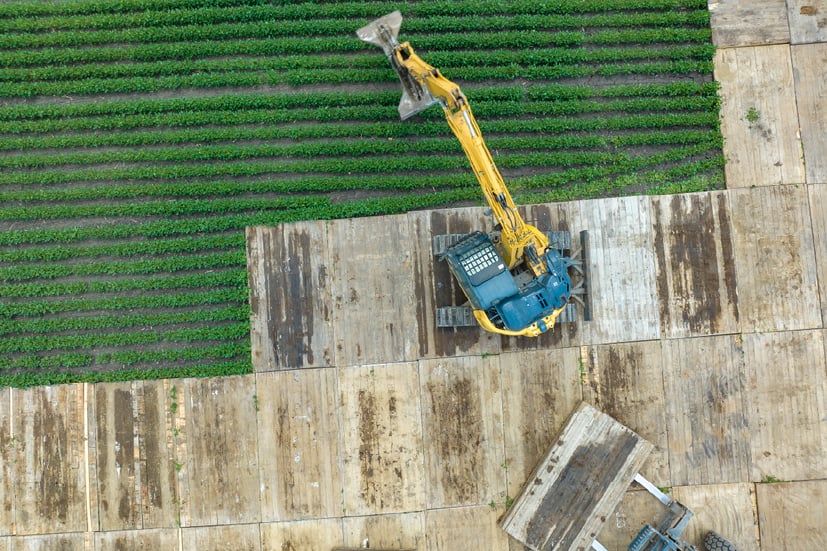
Renewable energy facilities are being developed across agricultural land and remote terrain. Utility transmission and substation projects often span environmentally sensitive areas. Pipeline installations frequently cross challenging ground conditions, while emergency response and recovery efforts demand rapid deployment into locations where infrastructure may be damaged or inaccessible.
In these environments, reliable access is no longer just a convenience. It is a foundational requirement for keeping work moving.
Without a clear site access strategy, project teams can encounter:
- Equipment mobility challenges
- Delayed material deliveries
- Reduced crew productivity
- Increased ground disturbance
- Safety concerns for workers and operators
- Costly schedule disruptions
As project schedules become tighter and expectations continue to rise, site access planning has emerged as a critical component of successful project execution.
The Hidden Costs of Poor Access Planning
When construction teams think about project risks, they often focus on labor shortages, supply chain challenges, or weather delays. However, inadequate access planning can create many of the same consequences.
A single access-related issue can quickly impact multiple aspects of a project:
Lost Productivity: When crews cannot safely or efficiently reach the work area, valuable labor hours are wasted. Delays in mobilization, equipment movement, or material transport can reduce daily productivity and slow overall progress.
Equipment Downtime: Heavy equipment sitting idle due to inaccessible terrain represents a significant cost. Whether caused by muddy conditions, unstable ground, or damaged temporary routes, downtime can quickly affect project budgets.
Schedule Impacts : Every day lost to access challenges can create a ripple effect across the project schedule. Activities become compressed, resources must be reallocated, and teams are often forced to accelerate work later to regain lost time.
Environmental Risks : Inadequate access planning can increase soil disturbance, rutting, and environmental impacts that may require remediation. These issues can create additional costs while complicating compliance efforts.
The reality is simple: if people, equipment, and materials cannot consistently reach the work zone, project performance suffers.
How Leading Contractors Plan for Access Before Construction Begins
Successful contractors understand that site access should be addressed long before construction starts. 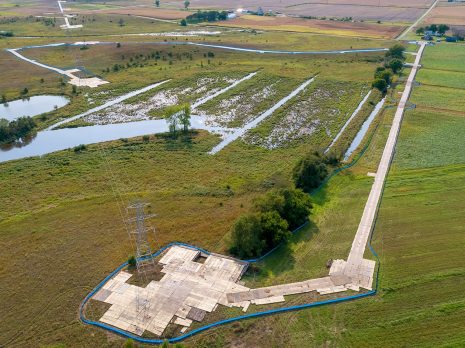
By incorporating access planning into early project discussions, teams can identify potential challenges and develop strategies to prevent disruptions later.
Evaluate Site Conditions
Every project begins with understanding the environment. This includes assessing:
- Soil and ground conditions
- Terrain and topography
- Seasonal weather patterns
- Drainage and water management concerns
- Existing infrastructure limitations
A thorough site assessment helps determine the most effective approach for supporting equipment and maintaining mobility throughout construction.
Analyze Traffic Patterns
Not every area of a project site experiences the same level of activity. Effective access plans account for:
- Equipment travel routes
- Material delivery paths
- High-traffic work zones
- Staging areas
- Crane and lifting operations
Understanding how the site will be used allows teams to prioritize access solutions where they deliver the greatest impact.
Consider Environmental Requirements
Many projects must balance construction efficiency with environmental stewardship. Early planning helps teams address:
- Wetlands and protected areas
- Agricultural land preservation
- Erosion control requirements
- Vegetation protection measures
- Landowner expectations
Proactive access planning can help minimize site disturbance while supporting project objectives.
Build Flexibility Into the Plan
Conditions rarely remain static throughout a project. Rain, seasonal changes, evolving construction phases, and unforeseen challenges can all impact site accessibility. The most successful contractors develop contingency plans that allow work to continue even when conditions change.
Why Engineered Access Solutions Have Become a Strategic Advantage
As projects move into increasingly difficult environments, contractors are relying on more sophisticated approaches to site access.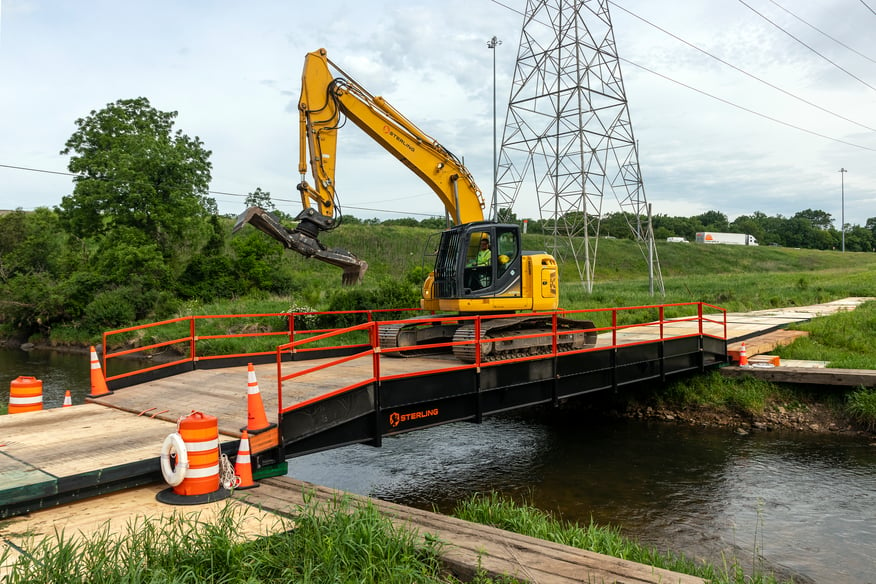
Traditional methods often struggle to provide the durability, stability, and environmental performance required for modern infrastructure projects. As a result, engineered access solutions have become an important tool for reducing risk and maintaining productivity.
Solutions such as temporary roadways, crane pads, working platforms, and composite matting systems help create stable, predictable access across challenging terrain.
When properly planned and deployed, engineered access solutions can help:
- Improve equipment mobility
- Reduce ground disturbance
- Support worker safety
- Maintain productivity during adverse conditions
- Improve schedule reliability
- Protect sensitive project sites
Rather than serving as a temporary fix, these systems are increasingly viewed as strategic assets that support overall project performance.
From Access Provider to Project Partner
The most effective site access strategies go beyond products alone.
Successful projects require collaboration between contractors, engineers, project managers, and access specialists to develop solutions that meet the unique demands of each site.
At Sterling, we've seen firsthand how early planning can make a measurable difference in project outcomes. The most successful projects are those that evaluate access needs from the beginning, considering site conditions, environmental requirements, traffic patterns, equipment loads, and long-term project goals.
By taking a proactive approach, project teams are better equipped to reduce uncertainty, maintain momentum, and avoid disruptions that can impact schedules and budgets.
Engineered access solutions are most effective when they're part of a broader project strategy rather than a last-minute response to changing conditions.
Site Access Planning Is an Investment in Project Certainty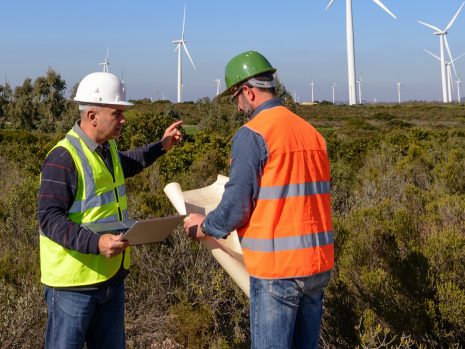
As construction projects become larger, more complex, and more demanding, site access planning is evolving from a logistical consideration into a business-critical function.
Organizations that address access requirements early are better positioned to protect schedules, improve productivity, support safety initiatives, and minimize environmental impacts.
The most successful contractors understand that access isn't just about getting equipment from one location to another. It's about creating the conditions necessary for projects to move forward with confidence.
Because when crews can reach the work area safely and efficiently, schedules stay on track, productivity remains high, and projects are positioned for success from day one.
Ready to Develop a Smarter Site Access Strategy?
Whether you're planning a renewable energy project, utility upgrade, pipeline installation, or large-scale infrastructure development, Sterling's engineered site access solutions can help reduce risk, improve mobility, and keep your project moving forward. Contact our team to discuss your site conditions and build an access plan designed for long-term success.
Frequently Asked Questions About CLT Mats
What is site access planning?
Site access planning is the process of ensuring crews, equipment, and materials can safely and efficiently reach a job site throughout construction.
Why is site access planning important?
Proper planning helps reduce delays, improve productivity, enhance safety, and minimize environmental impact, keeping projects on schedule.
What types of projects require site access planning?
Any project operating in challenging environments can benefit from site access planning, including:
- Renewable energy projects
- Utility and transmission construction
- Pipeline projects
- Civil infrastructure developments
- Emergency response efforts
- Oil and gas operations
- Composite matting systems
- Temporary roadways
- Crane pads
- Working platforms
- Ground protection systems
How can poor site access impact project schedules?
Inadequate access can delay equipment, materials, and crews, leading to downtime, reduced productivity, and schedule overruns.
When should contractors plan for site access?
The earlier, the better. Addressing access needs during project planning helps identify risks before construction begins.
What are engineered access solutions?
Engineered access solutions create stable, reliable access across difficult terrain and may include:
How do engineered access solutions help keep projects on schedule?
They provide dependable access routes for equipment and personnel, helping reduce downtime and maintain productivity in challenging site conditions.
How does site access planning support environmental compliance?
A well-designed access plan can minimize soil disturbance, protect sensitive areas, and support environmental and regulatory requirements.
What should contractors consider when selecting a site access solution?
Key considerations include ground conditions, equipment loads, project duration, traffic patterns, environmental requirements, and site-specific challenges.
How does Sterling help contractors with site access planning?
Sterling works with project teams to evaluate site conditions, identify risks, and recommend engineered access solutions that help improve mobility, reduce delays, and support project success.