
The conversation around transmission and infrastructure projects is dominated by one persistent issue: There aren’t enough skilled workers to meet demand. Right of way execution is no different.
From equipment operators to specialized environmental crews, labor shortages continue to pressure schedules, inflate costs, and create execution risk across projects.
But one of the biggest impacts of today’s labor shortage often goes unnoticed: getting crews to the work in the first place.
On the ground, many project leaders are starting to recognize this new reality. The diminishing capacity of skilled labor is starting to affect site access planning, including having the right of way ready when the work needs to start.
The Real Reason Your Crews are Falling Behind
Crews can’t work where they can’t reach. Every hour skilled crews spend waiting is an hour you’re paying for missed productivity. Transmission projects operate in an increasingly constrained environment where labor shortages, unpredictable weather, environmental regulars, and compressed schedules leave little room for delays.
One of the most common disruptions on the job site is surprisingly basic: crews can’t work where they can’t reach. When crews arrive and the site isn’t ready, the project is delayed before it even has the chance to start.
When access is treated as a strategy, matting is installed and access roads are built before crews arrive. But when labor is hard to come by, this strategy is hard to achieve.
When access isn’t ready, crews sit idle as costs rise and timelines delay. In an environment already defined by labor scarcity, that’s a problem most projects can’t afford.
The Hidden Productivity Drain
Labor shortages are often framed as a hiring problem, but on active projects, they show up as a productivity problem. 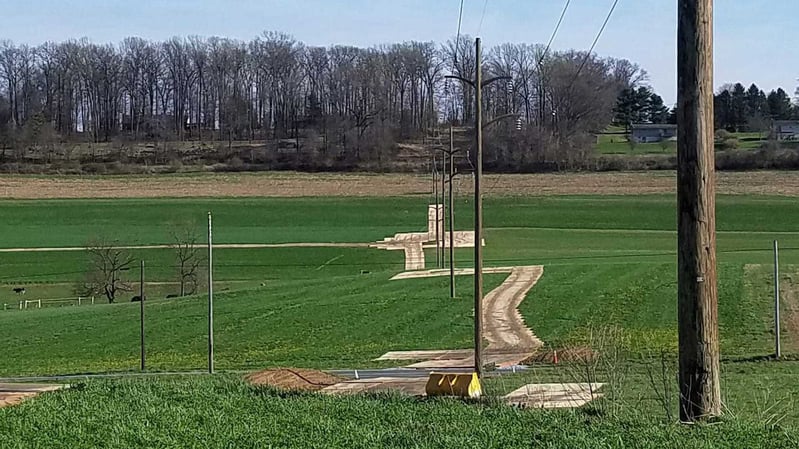
When access isn’t in place:
- Highly skilled crews spend time waiting instead of working
- Equipment sits unused while conditions are corrected
- Schedules compress, increasing overtime and inefficiency
- Project teams scramble to recover lost time
- Placing access mats ahead of construction
- Building and maintaining access routes
- Adjusting matting as conditions and work zones shift
- Removing and restoring sites after completion
And critically, the most expensive labor on your job site becomes the least productive. This issue compounds quickly across a transmission project, especially those spanning long distances with constantly shifting work zones.
The Gap: Who Owns Access Execution?
Even when access is planned correctly, execution can still become the weak link.
Many projects rely on general contractors juggling multiple priorities, equipment crews pulled in from other projects, or uncoordinated timing between mat delivery and installation.
That fragmentation creates risk. Mats arrive but sit unused while installation happens late or out of sequence. Ground protection planning doesn’t quite match the real-world field conditions, so crews are forced to adapt in real time while new field technicians that are undertrained damage mats increasing final costs.
All of this creates unforeseen, but avoidable, costs and time delays. In a labor-constrained environment, that lack of coordination is costly on multiple fronts.
Sterling’s Approach: Dedicated Access Crews
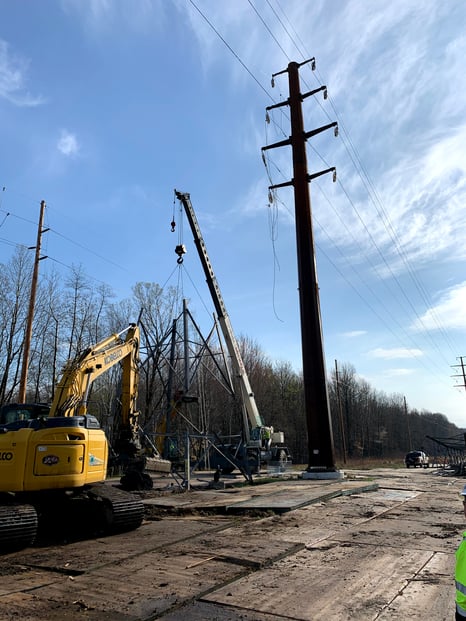 Sterling addresses this challenge with a different model. Beyond just renting mats, we offer a dedicated services team focused solely on access deployment and ground protection.
Sterling’s crews are responsible for:
By specializing in access execution, these teams ensure one thing: Crews can stay productive because the site is always ready. Even better? When you use Sterling services, you avoid attrition on mat rentals because we perform the necessary work to build the roads to your jobsites.
Turning Labor Constraints Into Productivity Gains
When access is handled by a dedicated team, the impact is immediate and measurable:
1. Crews Stay Moving: Construction teams arrive to a prepared site. No delays, no waiting.
2. Schedules Stabilize: Access is installed on time and in sequence, reducing downstream disruptions.
3. Skilled Labor Is Used Efficiently: High-value crews focus on their core work, speeding up execution time. Our crews often cut installation time by up to 50% when using TerraLam matting.
4. Fewer Emergency Fixes: Proactive ground protection reduces reactive problem-solving and costly corrections.
5. Better Coordination Across the Project: Access becomes a synchronized and engineered part of the construction workflow. With an engineered access approach, change orders are reduced and matting is laid more efficiently.
Why This Matters More Now
Labor shortages are real. But many of the delays attributed to labor are actually caused by access not being ready when it needs to be.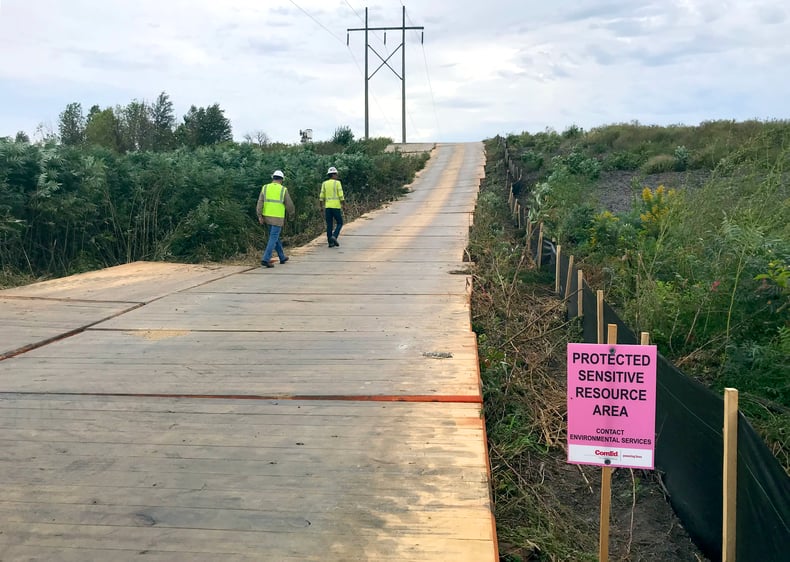
In today’s construction environment, productivity is the new constraint. And productivity depends on skilled access labor and right of way planning.
If crews can’t reach the work, nothing else matters.
By treating access as a specialized, managed function and partnering with teams who deliver it reliably, projects can reduce idle time, protect schedules, improve cost performance, and get more productivity of out every available worker.
The pressures on transmission and infrastructure projects aren’t easing. Labor shortages will persist along with unpredictable weather and supply chains. With project timelines and budgets only getting tighter, investing in a site access services partner is a critical component of successful right of way planning.
Explore Turnkey Site Access Support
Sterling’s dedicated services teams help ensure access is in place before crews arrive, stays aligned as work progresses, and is removed efficiently at project closeout.
Mats start, and keep your project moving, because in today’s labor market, every productive hour matters.